
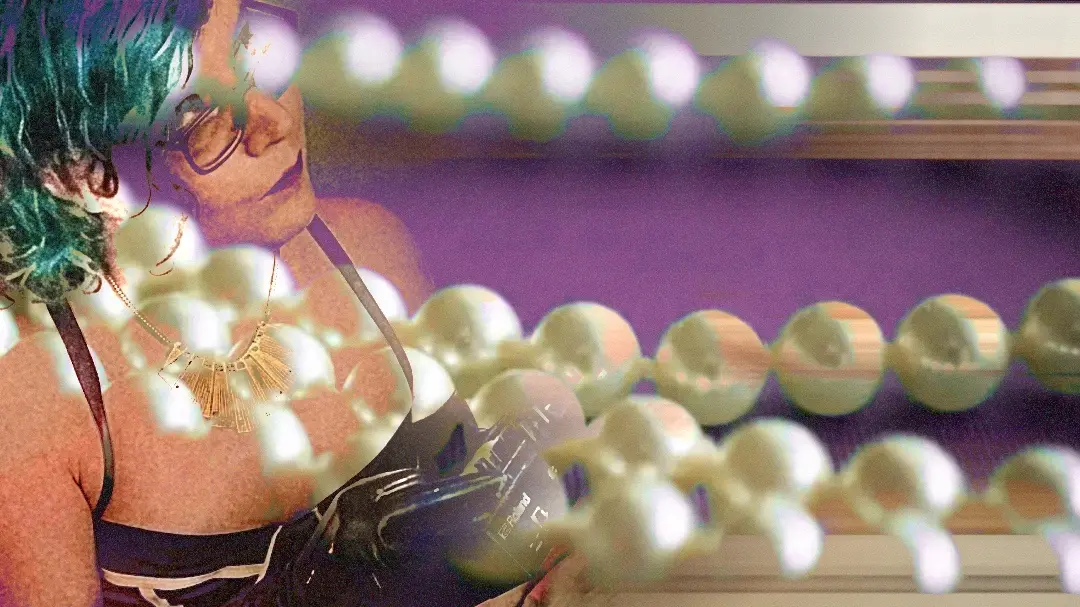
Paulee Bow is an autistic composer and disability arts advocate who shares personal advice on navigating the music industry.
Features
Timing
Bow notes that professional milestones often arrive later in life, challenging the standard timeline of achieving success in one's twenties.
Criticism
The article suggests ignoring feedback unless it comes from a paying client or a desired collaborator, framing payment as a fee for enduring critique.
Collaboration
Working with others is described as a way to reduce isolation and expand audience reach, even for musicians who are highly skilled in solo work.
Visibility
Bow argues that shrinking oneself to please others is a major barrier, and that asking for opportunities is a necessary step despite potential rejection.
Dreams
The piece advises keeping career goals flexible and grounded, warning that rigid, high-stakes dreams can lead to severe emotional crises when unmet.
Amateurism
Bow reclaims the term amateur as a positive state of loving a craft for the process itself, rather than for professional gain or fame.
Personal experience and timing
Paulee Bow, an autistic composer and disability arts advocate, shares insights from a career that developed later than expected. Bow spent much of the twenties in psychiatric care and did not find professional stability until the forties. This timeline challenges the common expectation that musicians must achieve recognition in their early adulthood. Bow describes success as a messy negotiation with internal struggles rather than a fixed standard of external validation. The article emphasizes that life goals, such as learning to drive, can also arrive at unusual ages, reinforcing the idea that personal timelines vary significantly.
Handling criticism and community
Rejection Sensitive Dysphoria makes critical feedback particularly painful for many autistic musicians. Bow suggests ignoring most criticism unless it comes from a paying client or a specific collaborator. In the case of paid work, the compensation acts as a fee for enduring the discomfort of direct critique. Chronic masking and social performance drain energy, especially in mid-life, making it essential to find supportive communities. Projects like UnMute and Drake Music are cited as resources that help musicians avoid facing these challenges alone. Collaboration is presented as a way to energize the creative process and reach a wider audience, even for those who are highly capable of working independently.
Visibility and flexible goals
A significant barrier for many in the community is the tendency to shrink oneself to avoid conflict or please others. Bow argues that asking for opportunities is necessary, even if some responses are negative. The article warns against holding rigid, high-stakes dreams, such as becoming a mega-star, which can lead to severe emotional crises when those specific outcomes are not achieved. Instead, Bow recommends keeping goals flexible and grounded in current skills. The piece concludes by redefining the term amateur as a positive identity, describing it as a state of loving a craft for the process rather than for professional gain or fame.
Key facts
- Paulee Bow
- November 20, 2026
- Autism, AuDHD, Music